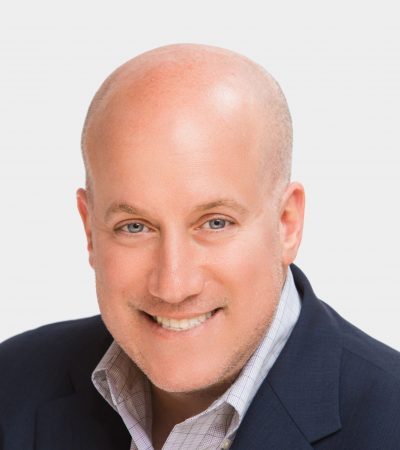
Paul Coyne, Principal
Twenty-five years in healthcare integration. The work is mostly the same hard problems with different acronyms attached: architect for reuse, and the protocols mostly take care of themselves.
Diridium engagements are principal-led. Paul does the senior architecture and build work directly. When a project calls for specific tooling or domain depth, he brings in vetted senior practitioners on a project basis.
Most engagements start with a specific integration problem and grow from there. Typical clients stay for years, expanding the relationship into adjacent architecture, compliance, and vendor decisions.
A long-time expert in Mirth Connect and now its related forks. Steering committee member and listed maintainer of the Open Integration Engine, with several authored plugins featured on the project home page (Cache Manager, Channel & Code Template History, Source Code Search) and the recent Role Based Access Control plugin, plus co-sponsorship of the TLS plugin with NovaMap Health. Top community contributor on Mirth Connect's forums (second only to a NextGen employee) and active in its GitHub discussions. Listed OIE commercial support vendor.
More public work at github.com/pacmano1 and on the Mirth Connect forums as pacmano.